
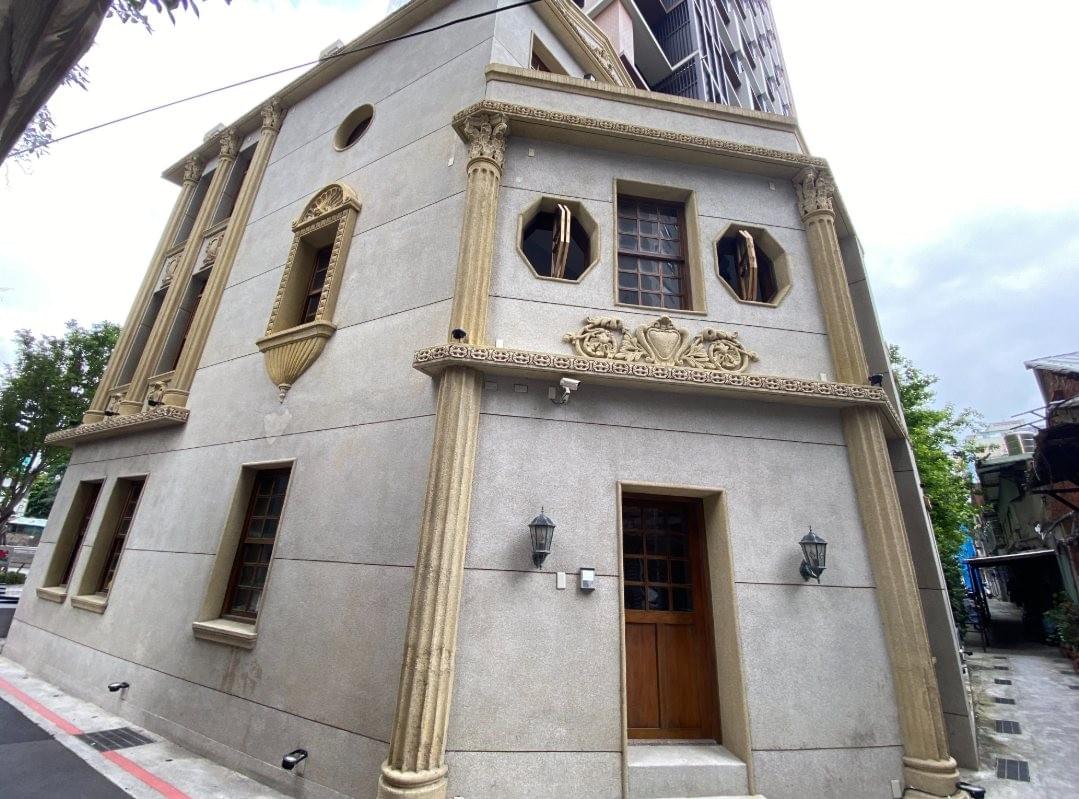
當你穿過艋舺熱鬧非凡的華西街夜市,或是剛剛參拜完莊嚴的青山宮(Qingshan Temple),轉個彎,你可能會在狹窄的巷弄中驚見一棟氣質截然不同的建築。它有著華麗的紅磚、洗石子裝飾,以及優雅突出的窗台。這是青雲閣(Qingyun Pavilion)。它靜靜地矗立在那裡,像是一位洗盡鉛華的貴婦,凝視著這座城市的變遷。這裡曾是艋舺最著名的風化場所,昔日名為「和泉樓」或「醉花園」。如今,它不再販賣溫柔,而是以茶與酒,邀請你閱讀這段曾經被視為禁忌的歷史。
When you navigate through the bustling Huaxi Street Night Market in Monga, or just after paying respects at the solemn Qingshan Temple, turn a corner, and you might be startled by a building of entirely different character in the narrow alley. It boasts magnificent red bricks, washed stone decorations, and elegantly protruding balconies. This is the Qingyun Pavilion. It stands there quietly, like a noblewoman who has washed away her heavy makeup, gazing at the city's transformation. This was once the most famous venue in Monga's red-light district, formerly known as "Izumi-ro" or "Drunken Flower Garden." Today, it no longer sells tenderness; instead, it invites you to read this once-taboo history through tea and wine.
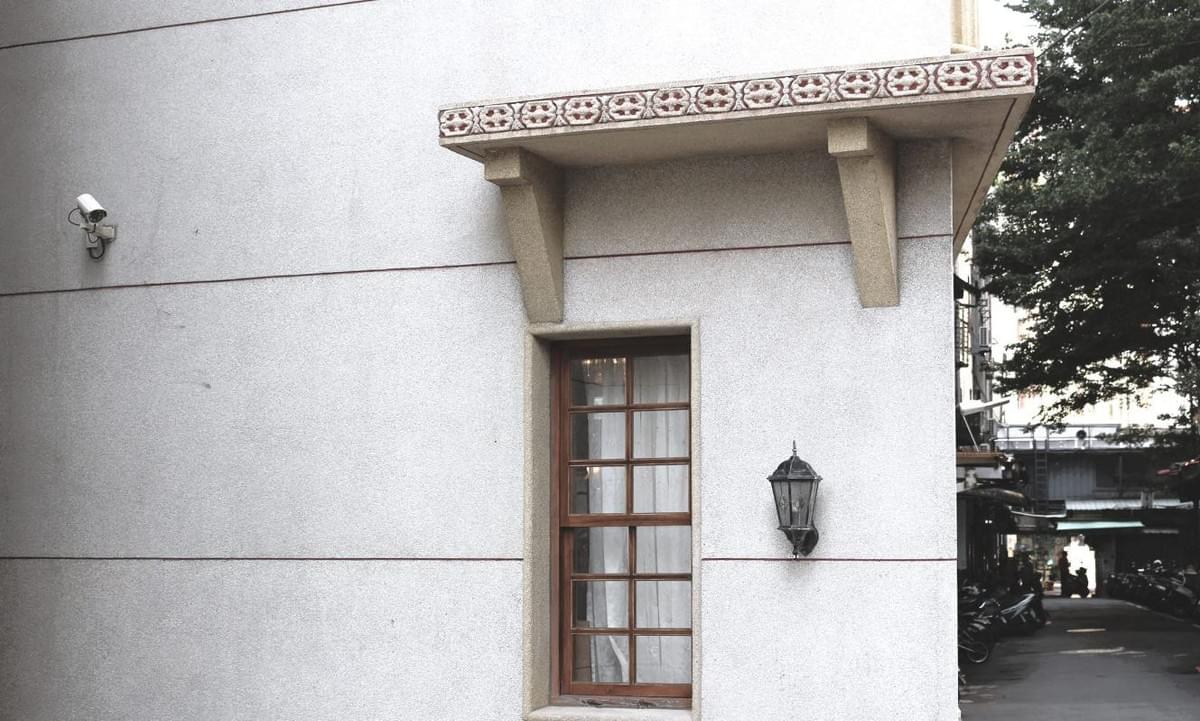
這座建築所在的區域,老艋舺人稱為「凹斗仔(Audouzi)」,在日治時期,這裡是著名的「艋舺遊廓(Monga Pleasure Quarter)」。所謂遊廓,是日本政府規劃的特許風化區。當時的凹斗仔地勢低窪,卻也是慾望高漲之地。這棟建於日治時期的建築,外觀展現了當時最時髦的巴洛克風格。請抬頭看看那些細節:街角立面上有精緻的洗石子勳章飾,窗戶邊緣裝飾著貝殼與洋蔥形式的浮雕,還有那獨特的外凸窗台。這些華麗的裝飾不僅是為了美觀,更是為了在那個年代,向過往的尋芳客展示這裡的高級與奢華。
The area where this building stands was known to old locals as "Audouzi" (The Low-Lying Land). During the Japanese colonial era, this was the famous "Monga Yūkaku" (Monga Pleasure Quarter)—a licensed red-light district planned by the government. Although the land was low, desires ran high. Built during the Japanese era, the building showcases the fashionable Baroque style of the time. Look up at the details: exquisite washed stone medallions on the facade, reliefs of shells and onions decorating the window frames, and those unique protruding balconies. These ornate decorations were not just for aesthetics; in that era, they served to display class and luxury to the patrons seeking pleasure.
要理解青雲閣,我們必須先理解什麼是「藝樓(Yi-lou)」。不同於底層的娼寮,藝樓(類似日本的料亭或藝妓館)是提供「藝妲」展演的高級場所。在「和泉樓」或「醉花園」的年代,這裡不僅僅是性交易的場所,更是商賈名流交際應酬的社交圈。男人們來到這裡聽曲、喝酒、談生意,尋求的是一種包含才情與美貌的高級娛樂。因此,青雲閣的建築美學,實際上是當年台灣「風月文化」與「上流社會」交織的實體證明。
To understand Qingyun Pavilion, we must first understand what a "Yi-lou" (Art Building) is. Unlike common brothels, a Yi-lou (similar to a Japanese Ryotei or Geisha house) was a high-end venue where "Yidan" (courtesans/entertainers) performed. In the days of "Izumi-ro" or "Drunken Flower Garden," this was not merely a place for sex trade but a social circle for merchants and elites. Men came here to listen to music, drink, and discuss business, seeking high-class entertainment that blended talent with beauty. Therefore, the architectural aesthetics of Qingyun Pavilion are physical proof of the intertwining of Taiwan's "Wind and Moon Culture" (erotic culture) and high society.
然而,隨著時代變遷,這座曾經燈紅酒綠的藝樓也走向了沒落。特別是在 1997 年台北市廢除公娼制度後,這一帶迅速蕭條,青雲閣甚至一度面臨被拆除的危機。那是一段城市試圖抹去「不光彩記憶」的時期。所幸,在文資團體與修復團隊的努力下,它於 2014 年被登錄為歷史建築,並在 2022 年完成了高難度的修復。這次修復不僅是修補磚瓦,更是讓過往被視為社會禁忌的性產業歷史,重新回到常民的視野中,讓我們有機會正視這座城市的另一面。
However, with the changing times, this once-glamorous Yi-lou fell into decline. Especially after Taipei City abolished licensed prostitution in 1997, the area withered rapidly, and Qingyun Pavilion even faced the threat of demolition. It was a period when the city tried to erase its "shameful memories." Fortunately, thanks to the efforts of cultural heritage groups and restoration teams, it was registered as a historic building in 2014 and completed a difficult restoration in 2022. This restoration was not just about fixing bricks; it brought the history of the sex industry, once viewed as a social taboo, back into the public eye, giving us a chance to face the other side of this city.
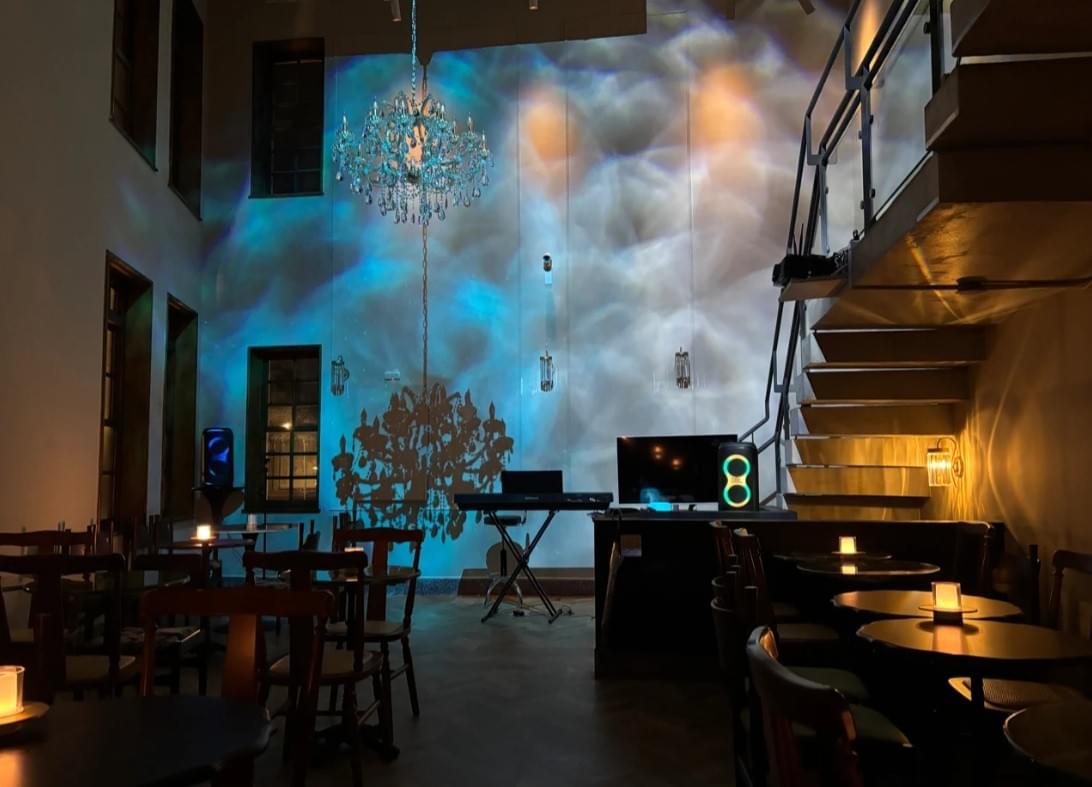
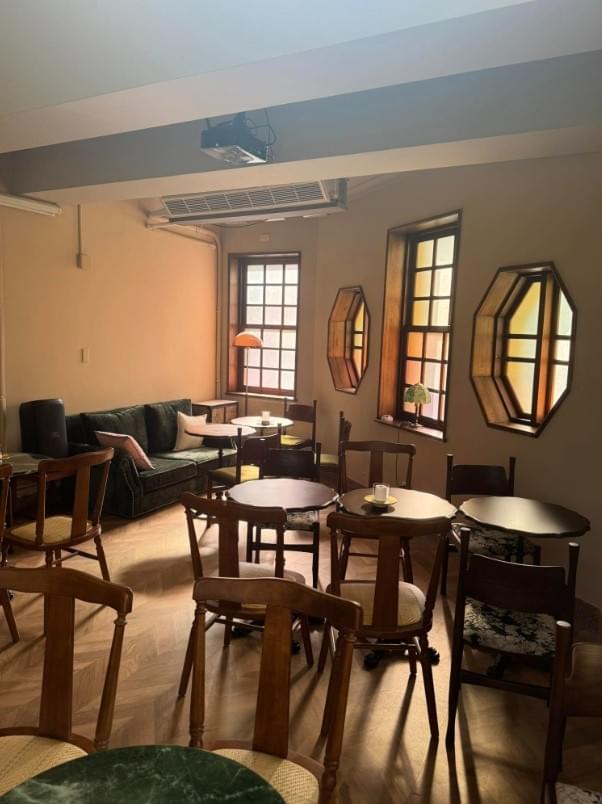
今日的青雲閣,以「青雲Misty」之名重生,延續了那份曖昧與優雅的氣質。白日,這裡供應精緻的茶飲與甜點,陽光透過修復後的洋蔥窗灑落,氛圍靜謐而神聖;到了夜晚,它則化身為酒吧,主打以茶香入酒的雞尾酒。這種「日茶夜酒」的轉換,彷彿在致敬它過去的歷史——白天是安靜的街道,夜晚則是繁華的溫柔鄉。
Today, Qingyun Pavilion has been reborn as "Qingyun Misty," continuing that aura of ambiguity and elegance. By day, it serves exquisite tea and desserts; sunlight spills through the restored onion-shaped windows, creating a quiet and almost sacred atmosphere. By night, it transforms into a bar, specializing in tea-infused cocktails. This transition from "Day Tea to Night Wine" seems to pay tribute to its history—a quiet street by day, and a bustling tender village by night.
CORE 給朋友的深層視角 A Deeper Perspective for Friends
我想和你分享一個心得:青雲閣不只是一棟漂亮的網美建築,它是台北慾望歷史的倖存者。當你在這裡喝著一杯帶有煙燻味的調酒時,請試著想像一百年前,這裡曾充滿了藝妲的琴聲與男人的笑語。它提醒我們,城市的歷史不只有廟宇和官署那樣光鮮亮麗的一面,也包含了巷弄裡的慾望與掙扎。能坐在這裡,優雅地品味這段曾經「不可說」的過去,正是台北這座城市變得成熟與包容的最好證明。
I want to share a thought with you: Qingyun Pavilion is not just a pretty building for Instagram; it is a survivor of Taipei's history of desire. As you sip a smoky cocktail here, try to imagine that a hundred years ago, this place was filled with the music of courtesans and the laughter of men. It reminds us that a city's history is not only about the shiny temples and government offices but also includes the desires and struggles in the alleyways. Being able to sit here and elegantly savor this once "unspeakable" past is the best proof that Taipei has become a mature and inclusive city.