
如果你閉上眼睛,深吸一口台灣的空氣,你會聞到什麼?
If you close your eyes and take a deep breath of the air in Taiwan, what do you smell?

最初,或許是一股混合著小米與被火烤過的山肉香氣,那是這座島嶼最原始的山海味;接著,是一陣濃郁的紅燒牛油與雲南香料氣息,那是上個世紀跨海而來的鄉愁;再後來,是一縷清新的檸檬與魚露味,那是東南亞新住民帶來的南國風情;而最近,巷弄裡則飄出了港式奶茶與燒臘的甜香,那是尋找自由靈魂的味道。
Initially, perhaps it is a scent of millet mixed with fire-roasted game meat, the most primitive taste of the mountains and seas of this island; then, a rich aroma of red-braised beef tallow and Yunnan spices, a nostalgia that crossed the sea in the last century; later, a fresh wisp of lemon and fish sauce, the southern breeze brought by new immigrants from Southeast Asia; and recently, the sweet fragrance of Hong Kong-style milk tea and roast meats wafts from the alleys, the scent of souls seeking freedom.
在台灣,吃從來就不只是為了填飽肚子。我很喜歡一種說法:台灣的味覺光譜,其實是一部溫柔的流浪史。從最早的山林智慧,到每一波外來料理的落地生根,都代表著不同族群如何在異鄉,用舌尖上的記憶,重新定義「家」的形狀。
In Taiwan, eating has never been just about filling the stomach. I like the saying that Taiwan's flavor spectrum is actually a gentle history of wandering. From the earliest forest wisdom to the rooting of every wave of foreign cuisine, it represents how different ethnic groups in a foreign land redefined the shape of "home" through the memories on their tongues.
山海的賜予:這塊土地原本的底色
Gifts of the Mountains and Seas: The Original Base Color of This Land
故事總有個起點,而台灣味道的起點,早在漢人帶來醬油與大火快炒之前就存在了。那是屬於原住民(Indigenous Peoples)的、一種很純粹的直球對決。
Every story has a beginning, and the beginning of Taiwan's flavor existed long before Han immigrants brought soy sauce and high-heat stir-frying. It was a pure, direct confrontation belonging to the Indigenous Peoples.
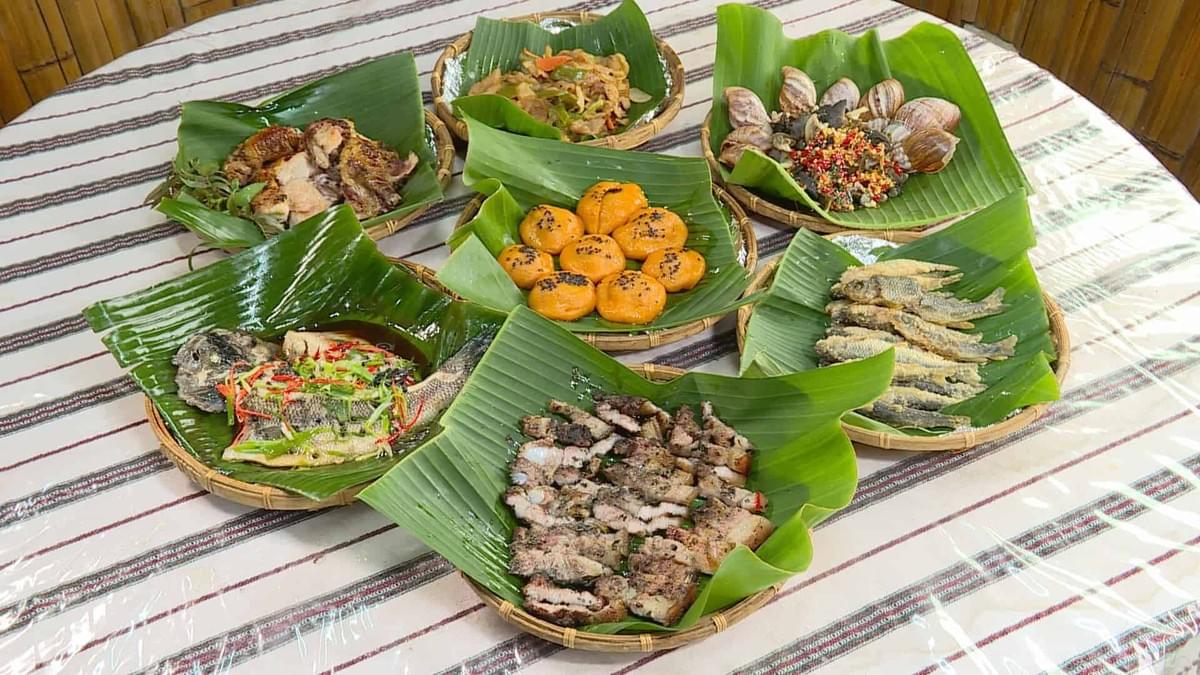
不管是小米(Millet)、芋頭、樹豆,還是剛烤好的山肉,這種沒有過度修飾的粗獷美味,才是台灣味覺真正的底色。那是一種對大自然的敬畏與順應——靠山吃山,靠海吃海。正是這份乾淨、原始的畫布,讓後來那些複雜的辛香料與烹飪手法,有了揮灑的空間。
Whether it's Millet, taro, pigeon peas, or freshly grilled game meat, this unadorned, rough beauty is the true base color of Taiwan's palate. It is a reverence for and adaptation to nature—living off the mountains and the seas. It is precisely this clean, primitive canvas that gave the complex spices and cooking techniques that came later the space to shine.
當羅漢腳遇見了「牽手」
When the Bachelor Met His "Hand-Holding" Partner
而在這塊畫布上落下的第一筆色彩,其實源自一段關於生存與愛情的融合。想像一下,早期那些渡海來台的漢人男子(我們俗稱的「羅漢腳」),隻身來到這片陌生的土地。他們帶不走故鄉的所有食材,對這裡的一草一木也一無所知。
The first stroke of color on this canvas actually stems from a fusion involving survival and romance. Imagine the early Han Chinese men (whom we commonly call "Luo Han Jiao") crossing the sea to Taiwan alone. They couldn't bring all the ingredients from their hometown, and they knew nothing about the local flora and fauna.
當時常說「有唐山公,無唐山媽」,許多漢人男子與平埔族或原住民族女性通婚。你想,在傳統家庭裡,廚房往往是女主人的天下。當掌廚的是原住民母親,下一代的味蕾自然就記住了這塊土地的味道。
It was often said, "Has Tangshan (Mainland) father, no Tangshan mother." Many Han men married Plains Indigenous or other Indigenous women. Think about it: in traditional families, the kitchen is often the woman's domain. When the person cooking was an Indigenous mother, the taste buds of the next generation naturally memorized the flavors of this land.
這就是為什麼我們現在覺得稀鬆平常的飲食習慣,其實藏著深厚的文化交融。漢人為了適應環境,跟著原住民學會了吃地瓜(Sweet Potato)與芋頭;我們習慣的「燙青菜」配蒜頭醬油,那種保留食材原味的「簡單水煮、沾醬提味」,其實就是原住民的烹飪智慧遇上了漢人的調味文化。
This is why the dietary habits we take for granted today actually hide profound cultural integration. To adapt to the environment, Han people learned from Indigenous people to eat Sweet Potato and taro; the "blanched vegetables" with garlic soy sauce we are used to—that style of "simple boiling accompanied by dipping sauces" preserving natural flavors—is actually Indigenous cooking wisdom meeting Han seasoning culture.
甚至那些我們以為是古早味的野菜,像過貓(Vegetable Fern)、山蘇(Bird's-nest Fern),最早也是原住民教導漢人辨識出來的可食植物。可以說,台菜的骨子裡,早就流著原住民的血液了。
Even those wild vegetables we consider old-time flavors, like Vegetable Fern and Bird's-nest Fern, were originally edible plants that Indigenous people taught the Han to identify. You could say that the blood of Indigenous culture has long been flowing in the veins of Taiwanese cuisine.
1949 年,那碗跨海而來的鄉愁
1949, That Bowl of Nostalgia from Across the Strait
在這層深厚的在地基底之上,1949 年的大遷徙又為這塊蛋糕加上了濃墨重彩的一層。大約兩百萬人帶著各自的鄉音與記憶,意外地讓台灣成為了中國大江南北飲食文化的熔爐。
Upon this deep local foundation, the great migration of 1949 added a richly colored layer to this cake. About two million people, carrying their own accents and memories, accidentally turned Taiwan into a melting pot of culinary cultures from all over China.
那碗我們視為國寶的「紅燒牛肉麵」,說穿了就是一種對家鄉的思念。住在簡陋眷村裡的四川、山東老兵,在物資匱乏的竹籬笆內,用美援罐頭牛肉與豆瓣醬,試圖拼湊出記憶中的味道,卻無心插柳地發明出這種只屬於台灣的獨特滋味。
That bowl of "Red-Braised Beef Noodle Soup" we consider a national treasure is, simply put, a longing for home. Sichuan and Shandong veterans living in simple military villages, within the bamboo fences of scarcity, used US aid canned beef and bean paste to try to piece together the taste of their memories, unintentionally inventing this unique flavor that belongs only to Taiwan.
還有更令人動容的,是那些滯留在金三角叢林、幾經波折才來到桃園龍岡與南投清境的「泰緬孤軍」。他們帶回來的「米干(Migan)」,湯頭裡特殊的草果香,其實是叢林歲月的味覺註腳。去吃一碗米干吧,你嚥下的不只是美味,是一段大時代的流浪史。
Even more moving are the "Lost Army in Thailand and Burma" who were stranded in the jungles of the Golden Triangle and only arrived in Longgang, Taoyuan, and Cingjing, Nantou after many twists and turns. The "Migan" they brought back, with the unique aroma of Tsaoko in the broth, is actually a gustatory footnote to those jungle years. Go have a bowl of Migan; what you swallow is not just deliciousness, but a history of wandering in a grand era.
公館巷弄裡的青春氣息
The Youthful Flavors in the Alleys of Gongguan
如果不提那群在 1950 年代悄悄改變台北味覺地圖的年輕人,這故事就不完整了。他們是被稱為「僑生」的異鄉學子。
The story would be incomplete without mentioning the young people who quietly changed Taipei's taste map in the 1950s. They were the foreign students known as "Overseas Chinese Students (Qiaosheng)."

離鄉背井從馬來西亞、泰國、港澳來到台灣唸書,最想念的當然是家鄉味。於是,台大附近的公館商圈成了他們的慰藉。這裡的味道總是帶著一種「書卷氣」與「青春感」。多少人的大學回憶,是在羅斯福路的巷弄裡,第一次吃到正宗的港式燒臘,或是第一次被泰式椒麻雞的酸辣給驚艷?這些僑生畢業後,許多人選擇留了下來,把這裡當成了第二個家,也豐富了我們的味蕾。
Leaving their homes in Malaysia, Thailand, Hong Kong, and Macau to study in Taiwan, what they missed most was naturally the taste of home. Thus, the Gongguan commercial district near NTU became their solace. The flavors here always carry a sense of "intellectualism" and "youth." How many people's college memories involve tasting authentic Hong Kong roast meats or being amazed by the sour and spicy Thai pepper chicken for the first time in the alleys of Roosevelt Road? After graduation, many of these students chose to stay, making this their second home and enriching our taste buds.
新鄰居,舊盼望:從東南亞到香港
New Neighbors, Old Longings: From Southeast Asia to Hong Kong
時間流動到現在,這場飲食的新生活運動還在繼續。隨著跨國婚姻與移工的到來,「越南法國麵包」與「牛肉河粉」已經像滷肉飯一樣普及。在台北車站附近的北平西路,看著大家席地而坐、開心地分享一大碗酸辣湯,那種自在與歡愉,不正是這座島嶼最迷人的包容力嗎?
Time flows to the present, and this new life movement of food continues. With the arrival of transnational marriages and migrant workers, "Banh Mi" and "Beef Pho" have become as common as Braised Pork Rice. On Beiping West Road near Taipei Main Station, seeing everyone sitting together and happily sharing a large bowl of sour and spicy soup—isn't that ease and joy the most charming inclusivity of this island?

而這幾年,你或許也發現了,街頭多了許多講著廣東話的年輕老闆,開起了「冰室」或「茶餐廳」。他們是 2019 年後不得不離開家鄉的香港朋友。手中的鍋鏟或許還有些生疏,但每一口菠蘿油或咖哩魚蛋,都是他們在異鄉重建「家」的嘗試。那些貼在牆上的標語,是屬於這個時代的、關於自由與生存的味道。
And in recent years, you might have noticed more young owners speaking Cantonese opening "Bing Sutt" or "Cha Chaan Teng" on the streets. These are Hong Kong friends who had to leave their hometown after 2019. The spatula in their hands might still be a bit unfamiliar, but every bite of pineapple bun or curry fish ball is an attempt to rebuild "home" in a foreign land. The slogans pasted on the walls are the taste of freedom and survival belonging to this era.
我們都曾是異鄉人
We Were All Strangers Once
聊到這裡,我不禁覺得,台灣的飲食史,說穿了就是一部流浪史。
Speaking of this, I can't help but feel that the history of Taiwanese food is, at its core, a history of wandering.
從數百年前的原住民與漢人交融,到眷村的鄉愁,到公館的青春,再到現在的新住民。每一個族群,起初都是這座島嶼的「客人」。但食物有一種魔力,它能打破界線。當各種味道在鍋裡融合,我們就不再分彼此了。
From the fusion of Indigenous and Han people centuries ago, to the nostalgia of military villages, to the youth of Gongguan, and now to the new residents. Every group was initially a "guest" on this island. But food has a magic; it can break boundaries. When various flavors merge in the pot, we no longer distinguish between each other.
在這座島嶼上,沒有誰是絕對的主人,也沒有誰是永遠的過客。只要在這裡生了根、開了火,這鍋湯裡,就有你的味道。
On this island, no one is the absolute master, and no one is an eternal passerby. As long as you take root here and light the stove, your flavor is in this pot of soup.