
台灣的廟宇,不只是祈福的場所,它是這座島嶼數百年來移民歷史的活化石。要理解台灣人為何如此依賴神明,我們必須回到數百年前。那時,第一批華人移民冒死橫渡被稱為「黑水溝」的台灣海峽,那是九死一生的旅程。當他們終於踏上這片充滿瘴氣、蚊蟲與未知瘟疫的土地時,除了手中的農具,唯一能讓他們在恐懼中安睡的,就是從故鄉帶來的神像香火。

Taiwanese temples are not merely places of prayer; they are living fossils of the island's centuries-old immigration history. To understand why Taiwanese people rely so heavily on their gods, we must go back hundreds of years. At that time, the first wave of Chinese immigrants risked their lives to cross the Taiwan Strait, known as the "Black Ditch"—a journey where survival was a gamble. When they finally stepped onto this land rife with miasma, insects, and unknown plagues, the only thing that allowed them to sleep amidst their fear, aside from the farming tools in their hands, was the incense and statues of gods brought from their homeland.
信仰,是他們面對蠻荒時的最後一道心理防線,也是支撐他們在這裡成家立業、繁衍後代的勇氣來源。這份信仰是如此深刻,以至於即便是在日治時期,日本政府試圖透過「皇民化運動」以此來推廣神道教並壓抑道教信仰時,台灣民間的香火也從未真正熄滅。神明與土地的連結,早已寫進了台灣人的基因裡。走進台灣的廟宇,你聞到的不只是線香的味道,而是先民們在苦難中尋求生存的堅韌氣息。
Faith was their last psychological line of defense against the wilderness and the source of courage that supported them in starting families and prospering here. This faith was so profound that even during the Japanese colonial period, when the government attempted to promote Shintoism and suppress Taoist beliefs through the "Kominka" (Japanization) movement, the incense of the common people never truly extinguished. The connection between gods and the land had long been written into the Taiwanese DNA. Walking into a Taiwanese temple, you smell not just incense, but the resilient scent of ancestors seeking survival amidst hardship.
神明的斜槓人生:務實的生存哲學
In Taiwanese temple culture, there is a fascinating phenomenon: almost all deities hold multiple portfolios, and usually, they all double as a "God of Wealth." This relates to the extreme pragmatism in Chinese culture forged through survival. Unlike some religions that focus on the afterlife, Taiwanese people worship for stability and abundance in the present world.
在台灣的廟宇文化中,有一個非常有趣的現象:幾乎所有的神明都身兼數職,而且通常都兼任「財神」。這跟華人文化中那種在生存磨難中鍛鍊出的極致務實主義有關。不同於某些宗教強調來世的超脫,台灣人拜神,往往是為了現世的安穩與富足。因為對於曾經一無所有的移民來說,活下去、並且活得好,就是對神明最大的敬意。
The classic example is "Tu Di Gong" (Earth God). Originally, he was just a low-level deity managing a specific plot of land, like a neighborhood chief in the celestial world. But because Chinese people believe "where there is land, there is wealth," he naturally became the most accessible God of Wealth. Another example is "Guan Gong" (Guan Yu), originally a general from the Three Kingdoms period symbolizing loyalty and righteousness. However, because doing business requires trust, merchants also worship him as the Guardian of Commerce. Here, you don't need to be shy about money; praying for wealth is seen as a positive pursuit of a good life.
最經典的例子就是土地公。他原本只是管理一方土地的基層神明,類似神界的里長伯。但因為華人相信有土斯有財,所以他也順理成章地變成了最親民的財神。另一個例子是關公,他原本是三國時代的武將,代表忠義。但因為做生意講究信用,所以商人們也把他奉為商業守護神。在這裡,你不必羞於談錢,向神明祈求財富被視為一種對美好生活的正向追求。
擲筊與求籤:與未知的神聖對話
Visiting a Taiwanese temple, you will inevitably hear the crisp sound of wood clacking. That is "Bwa Bwei" (Moon Blocks), a binary tool for communicating with the gods. If you want to experience "Kau Chim" (Drawing Fortune Sticks) to predict your fortune, here is a standard operating procedure (SOP), which is very much like performing a sacred algorithm:
來到台灣廟宇,你一定會聽到清脆的木頭撞擊聲。那是擲筊,一種與神明溝通的二進位制工具。如果你想體驗求籤來預測運勢,這裡有一個標準流程,非常像是在進行一場神聖的演算法:
自我介紹:先拿著香(或雙手合十)告訴神明你的姓名、出生年月日和地址。First, hold the incense (or press your palms together) and tell the god your name, date of birth, and address.
提問:問一個具體的問題(例如:這份工作適合我嗎?),然後擲筊確認神明是否願意賜籤。如果是一正一反的聖筊,就可以去籤筒抽一支竹籤。Ask a specific question (e.g., Is this job right for me?). Then toss the blocks to see if the god is willing to give you a stick. If you get one flat and one round side up (Yes), you can draw a bamboo stick from the pot.
確認:這是最難的一步。記住籤上的號碼,放回竹籤,再次擲筊問神明:「請問是這支籤嗎?」這時通常需要連續擲出三個聖筊才算數。這是一個機率極低的過程,所以當你終於求到時,那種這真的是神意的信心會大增。This is the hardest part. Remember the number on the stick, put it back, and toss the blocks again to ask, "Is this the right stick?" Usually, you need three consecutive "Yeses" for it to count. This is a low-probability process, so when you finally succeed, your confidence that "this is truly God's will" skyrockets.

帶走一份幸運:紅線與籤詩Take Home Some Luck: Red Strings and Fortune Poems
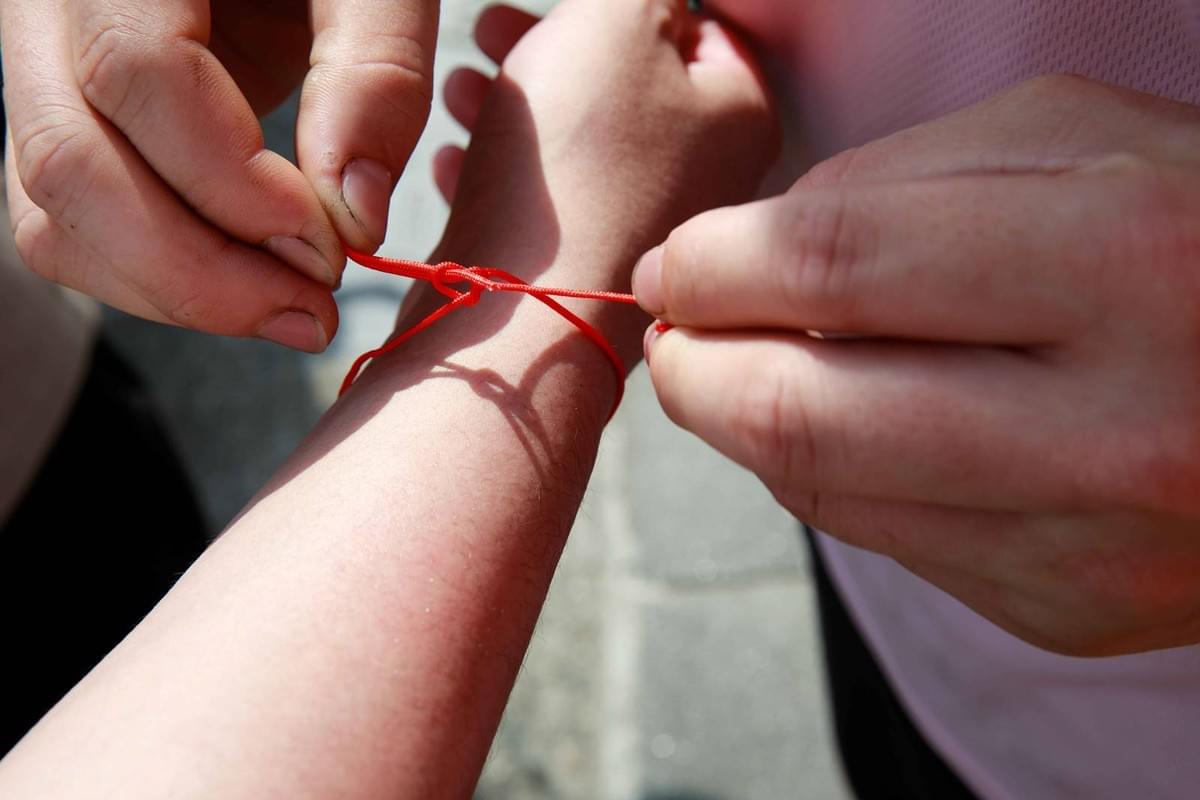
如果你完成了上述儀式,別忘了你可以帶走一些小禮物。籤詩那張印有古老詩詞的粉紅色紙條,你可以將它摺好放在錢包裡。它不僅是神明的建議,更像是一個隨身的護身符,保佑你直到問題解決。如果是求姻緣,廟方通常會提供紅線。將它放在錢包裡或枕頭下,據說能牽起你與命中註定之人的緣分。這是一種非常浪漫且具儀式感的紀念品。
If you complete the ritual, don't forget you can take home some "small gifts." You can fold that pink slip of paper printed with ancient poetry—the Fortune Poem—and keep it in your wallet. It is not just advice from the god; it acts like a portable amulet, blessing you until your problem is resolved. If you are praying for love, the temple usually provides a Red String. Keeping it in your wallet or under your pillow is said to connect you with your destined partner. It is a very romantic and ritualistic souvenir.
行天宮的收驚:藍袍婆婆的靈魂按摩
In recent years, Xingtian Temple in Taipei has promoted an "incense-free" policy, stopping the burning of joss paper and incense sticks. This is not only eco-friendly but also demonstrates a progressive view of faith: Gods do not fuss over material offerings; they only care about the human heart.
近年來,台北的行天宮推動無香化,不再焚燒紙錢與香支。這不僅環保,更展現了一種進步的信仰觀:神明不計較物質,只看重人心。
At Xingtian Temple, the most mesmerizing scene is "Shou-jing" (Recalling the Soul). You will see long lines of believers waiting for the grandmotherly volunteers in blue robes. Originally a ritual to soothe frightened children, here it serves mostly anxious adults. The grandma will wave incense (or now, simple hand gestures) rhythmically in front of and behind you, chanting softly, and finally, gently pat your back. It is an incredibly tender ritual, like a massage for your exhausted, startled soul. Watching grown men bow their heads to accept this comfort, you realize just how much this city needs a hug.

在行天宮,最讓我著迷的風景是收驚。你會看到許多信徒排成長龍,等待穿著藍袍的志工婆婆們服務。收驚原本是為了安撫受驚嚇的小孩,但在這裡,更多的是焦慮的成年人。婆婆會在你胸前背後有節奏地晃動手勢,口中唸唸有詞,最後輕拍你的背。那是一種極其溫柔的儀式,就像是替你那疲憊、受驚的靈魂進行一場按摩。看著那些大男人低頭接受婆婆的撫慰,你會發現,這座城市真的很需要被擁抱。
推薦參拜:尋找心靈的安放處
If you want to experience this Taiwanese-style prayer journey, I have a few recommendations:
如果你想體驗這種台式的祈福之旅,我有幾個推薦的去處:
行天宮 (Xingtian Temple):這裡主祀關聖帝君。即便沒有了香火,這裡依然莊嚴肅穆。這裡是體驗收驚儀式最好的地方。Here, Guan Yu is worshiped. Even without incense, it remains solemn and majestic. This is the best place to experience the Shou-jing ritual.
金山財神廟 (Jinshan Wealth God Temple):這座廟位於北海岸的金山。雖然交通不算方便,但因為地名中有「金山」二字,聽起來實在太吉祥了,所以香火鼎盛。這完美體現了台灣人對財富的直白渴望與聯想力。Located in Jinshan on the north coast. Although not easily accessible, the place name literally means "Gold Mountain," which sounds incredibly auspicious, so it is always packed. This perfectly embodies the straightforward desire and associative power Taiwanese people have regarding wealth.
霞海城隍廟 (Xiahai City God Temple):位於大稻埕,這裡雖然是城隍廟,但最出名的卻是配祀的月老。據說這裡的月老辦事效率極高,是想求速食愛情或穩定關係者的首選。Located in Dadaocheng. Although it is a City God Temple, it is most famous for its Matchmaker God (Yuelao). It is said that the Yuelao here is highly efficient, making it the top choice for those seeking "fast-track love" or stable relationships.
碧山巖開漳聖王廟 (Bishan Temple):這是我私人的最愛。它位於內湖的山上,祭祀的是開漳聖王。這裡的歷史連結了早期的漳州移民。最棒的是,這裡同時也是欣賞台北夜景的絕佳秘境。站在廟前的平台上,你可以俯瞰整個台北盆地與 101 大樓的燈火。在傍晚時分來此,看著夕陽落下、城市燈光亮起,那種壯闊的景色本身就足以療癒你的心。This is my personal favorite. Located on a mountain in Neihu, it worships Kaizhang Shengwang. Its history connects to early immigrants from Zhangzhou. Best of all, this is also a hidden gem for enjoying Taipei's night view. Standing on the platform in front of the temple, you can overlook the entire Taipei Basin and the lights of Taipei 101. Coming here at dusk, watching the sunset and the city lights turning on, the magnificent scenery alone is enough to heal your heart.
CORE 給朋友的深層視角 A Deeper Perspective for Friends
我想和你分享一個心得:無論你是否有信仰,走進台灣的廟宇都是一次深刻的文化洗禮。這裡沒有高高在上的教條,只有充滿煙火氣的希望。當你看到人們拿著香,喃喃自語時,他們其實是在傳承一種自古以來對這塊土地的信任。作為朋友,我建議你也可以試著求一支籤,或者只是在廟埕的階梯上坐一會兒。不要要求太多,把這裡當作一個暫停鍵。也許神明不會直接給你答案,但在那個安靜的瞬間,你或許會聽見自己心裡的聲音。記得把那條紅線或籤詩放進錢包,那是台灣送給你的一份,為期一年的祝福。
I want to share a thought with you: Whether you have faith or not, walking into a Taiwanese temple is a profound cultural baptism. There are no lofty dogmas here, only hopes full of the smoke and fire of life. When you see people holding incense and murmuring to themselves, they are actually carrying on a trust in this land that has existed since ancient times. As a friend, I suggest you try drawing a fortune stick, or just sit on the temple steps for a while. Don't ask for too much; treat this place as a pause button. Perhaps the gods won't give you a direct answer, but in that quiet moment, you might hear the voice within your own heart. Remember to put that red string or fortune poem in your wallet; it is a one-year blessing that Taiwan gives to you.