
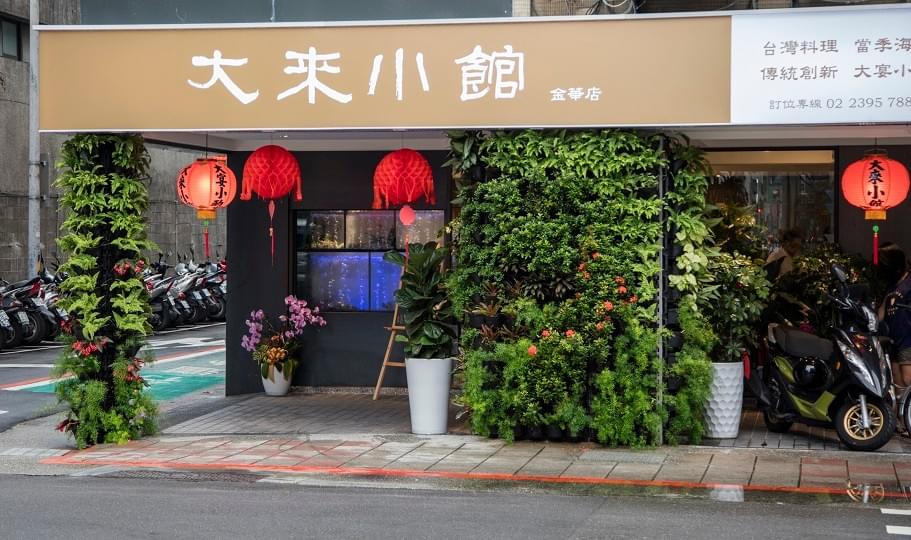
如果有外國朋友來台北,指名要吃台灣最著名的「滷肉飯(Lu Rou Fan)」,但我又擔心路邊攤的環境會讓他們卻步時,我一定會帶他們去永康街區的「大來小館(Da Lai Small Eatery)」。這家店在台北有兩間店面(金山南路店與永康店),雖然空間不大,卻有著家常的溫馨感。更重要的是,它曾獲得台北市政府舉辦的「滷肉飯爭霸戰」冠軍。這是一個讓外國味蕾安全地、優雅地進入台灣小吃世界的最佳入口。
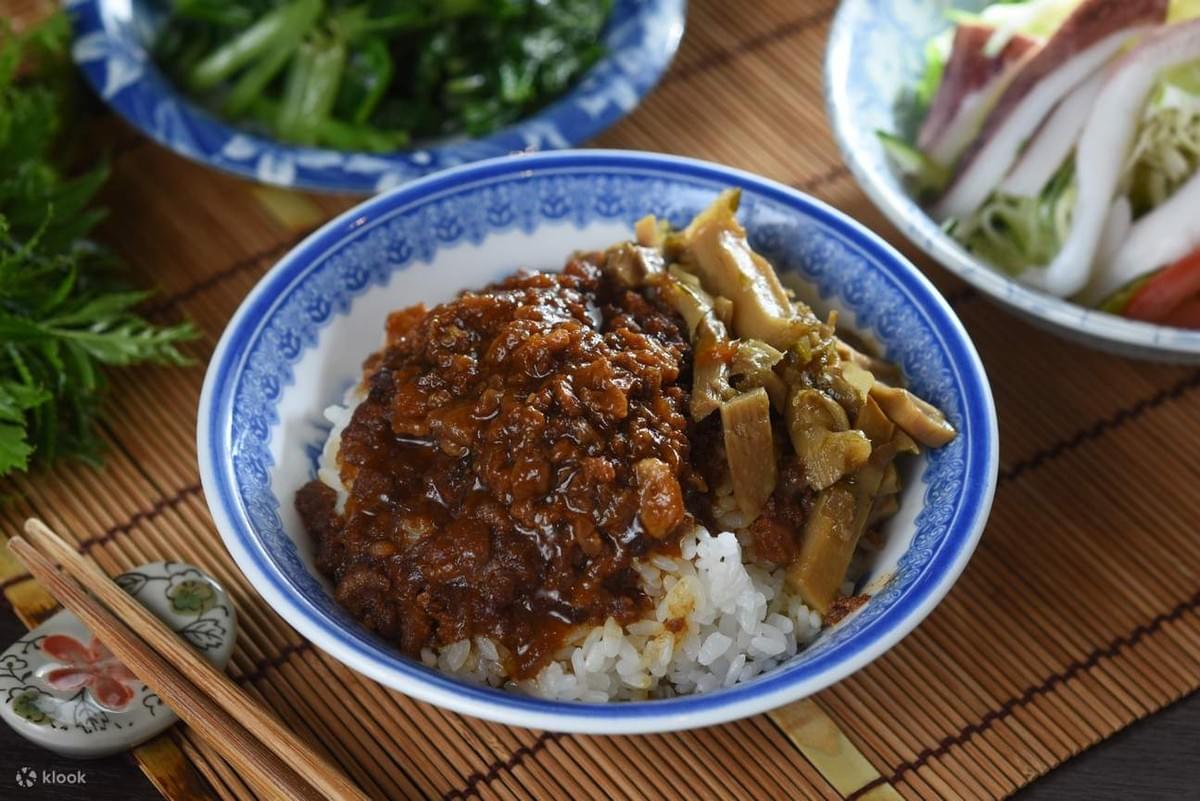
If a foreign friend comes to Taipei and specifically asks to try Taiwan's most famous "Lu Rou Fan" (Braised Pork Rice), but I worry that the grittiness of a roadside stall might be too much for them, I always take them to "Da Lai Small Eatery" in the Yongkang Street area. With two locations in Taipei (Jinshan South Road and Yongkang Street), the spaces are small but possess a homely warmth. More importantly, it once won the "Braised Pork Rice Championship" hosted by the Taipei City Government. This is the perfect gateway for foreign palates to safely and elegantly enter the world of Taiwanese street food.
不過,在走進店裡之前,我必須先打個預防針:在台灣,關於「哪家滷肉飯最好吃」這個問題,每個人心中都有一份神聖不可侵犯的名單。雖然大來小館得了冠軍,但如果你問一百個台灣人,可能會得到一百零一種答案(通常是「我家巷口那一間」)。這就是台灣美食最迷人的地方:標準不在評審手裡,而是在每個人的舌尖記憶裡。
However, before stepping inside, I must offer a disclaimer: In Taiwan, the question of "which Lu Rou Fan is the best" is a sacred and inviolable topic. Although Da Lai won the championship, if you ask a hundred Taiwanese people, you might get a hundred and one answers (usually "the one in the alley near my house"). This is the most charming part of Taiwanese cuisine: the standard is not in the hands of judges, but in everyone's gustatory memory.
滷肉飯:從貧窮的智慧到國宴的驕傲
談到滷肉飯,我們必須聊聊它的身世。這道料理如今被視為台灣的「國菜」,甚至是許多台灣人心目中的主食代表,但它其實起源於早期物資匱乏的農業社會。當時勤儉的台灣人捨不得丟棄豬肉攤剩下的零碎邊角肉與豬皮,於是將它們切碎,加入醬油、紅蔥頭與香料長時間滷製。這些高鹹度、高油脂的肉燥,只要淋上一匙,就能讓一整碗白飯變得美味,提供勞動者一整天的熱量。
Speaking of Braised Pork Rice, we must discuss its origins. This dish is now regarded as Taiwan's "National Dish," or even the representative staple food in the hearts of many Taiwanese, but it actually originated in the early agrarian society when resources were scarce. Thrifty Taiwanese people couldn't bear to throw away the leftover scraps and skin from pork stalls, so they minced them and braised them for a long time with soy sauce, shallots, and spices. This highly salty, fatty meat sauce could make a whole bowl of white rice delicious with just one spoonful, providing laborers with energy for the day.
隨著經濟起飛,這道原本屬於窮苦人家的智慧料理,地位也隨之躍升。現在,它不只是路邊攤的快速午餐,更是宴請外賓、甚至登上國宴餐桌的選擇。對台灣人來說,端出一碗滷肉飯請客,代表的是一種「把家裡最好的味道拿出來分享」的誠意與自信。
With the economic boom, the status of this humble dish, born of wisdom, has skyrocketed. Today, it is not just a quick lunch at a roadside stall, but a choice for treating foreign guests or even serving at state banquets. For Taiwanese people, serving a bowl of Lu Rou Fan to guests represents the sincerity and confidence of "sharing the best flavor of our home."
大來小館的風格:精緻化的庶民美味
大來小館的滷肉飯之所以特別,在於它打破了「滷肉飯等於油膩」的刻板印象。老闆堅持使用低脂的豬頸肉與後腿肉,手工切丁,先炒出油香再慢火燉煮。這使得它的肉燥醬汁呈現一種深琥珀色的光澤,吃起來膠質豐富卻不黏膩,鹹香中帶有微微的甘甜。這碗飯,是經過精緻化改良的庶民美味,非常適合作為外國人的「入門款」。
What makes Da Lai's Braised Pork Rice special is that it breaks the stereotype that "braised pork rice must be greasy." The owner insists on using low-fat pork neck and hind leg meat, hand-diced, stir-fried to release the aroma, and then slow-braised. This gives the meat sauce a deep amber sheen; it is rich in collagen but not sticky, savory with a hint of sweetness. This bowl of rice is a refined evolution of common folk delicacy, making it an excellent "entry-level" version for foreigners.
南北戰爭:甜與鹹的對決
然而,這道國民美食在台灣卻引發了定義上的戰爭。如果你問一個北部人,滷肉飯就是淋上「碎肉燥」的飯;但如果你問南部人(特別是台南人),那叫「肉燥飯(Rou Zao Fan)」,在南部人的定義裡,「滷肉飯」指的是放上一整塊三層肉(北部人稱焢肉飯)的料理。此外,口味也是戰場,尤其是甜度。
However, this national dish has sparked a war of definition in Taiwan. If you ask a Northerner, Lu Rou Fan is rice topped with "minced meat sauce." But if you ask a Southerner (especially from Tainan), that is called "Rou Zao Fan." In the Southern definition, "Lu Rou Fan" refers to a dish topped with a solid slab of pork belly (which Northerners call Kong Rou Fan). Furthermore, flavor is also a battlefield, especially the sweetness.
身為北部人,我必須承認,我們對南部菜的甜度有著一套「標準」。南部人口味明顯偏甜,這是因為南部盛產甘蔗,且早期糖是富裕的象徵,因此在菜餚中加糖代表著對客人的最高敬意。但站在北部人的角度,我們往往會(半開玩笑地)覺得:「南部人做菜的甜度沒品味,而且完全不健康。」 北部的滷肉飯講究鹹香與濃郁的香料味,認為那才是真正給勞動者補充體力的味道。大來小館的口味則巧妙地融合了兩者,既有北部的醬香,又保留了南部的甘醇。
As a Northerner, I have to admit that we judge Southern cuisine based on a certain standard of sweetness. Southern tastes are distinctly sweeter; this is because the South produces sugarcane, and sugar was historically a symbol of wealth, so adding sugar to dishes represented the highest respect for guests. However, from a Northerner's perspective, we often (half-jokingly) feel that: "The sweetness in Southern cooking lacks sophistication and is outright unhealthy." Northern Lu Rou Fan emphasizes savory saltiness and rich spice, believing that is the true flavor to replenish a laborer's strength. Da Lai's flavor cleverly blends the two, possessing the savory soy aroma of the North while retaining the mellow sweetness of the South.
現代台灣人的味覺:其實我們吃很淡
除了滷肉飯,大來小館的其他菜色也反映了一個有趣的現象:現代台灣人的口味其實變淡了。很多外國朋友來台灣,會覺得台灣的湯或炒青菜「沒什麼味道」。這其實是因為現代台灣人非常注重養生,我們認為好的料理不應該用過多的調味料去掩蓋食材,而是要吃出食物的「原味(Original Flavor)」。當然,滷肉飯這種「罪惡美食」是例外。
Beyond Lu Rou Fan, other dishes at Da Lai reflect an interesting phenomenon: Modern Taiwanese tastes have actually become lighter. Many foreign friends find Taiwanese soups or stir-fried vegetables "bland." This is because modern Taiwanese are very health-conscious; we believe that good cuisine should not mask the ingredients with excessive seasoning but should allow one to taste the "Original Flavor." Of course, a "guilty pleasure" like Lu Rou Fan is the exception.
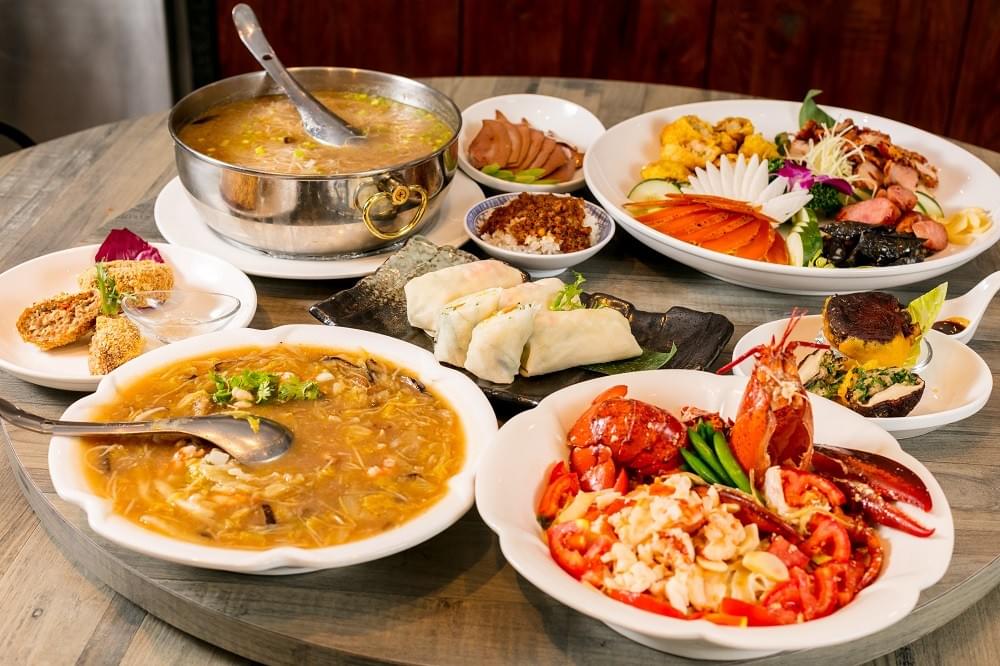
煎豬肝 (Fried Pork Liver):這是一道考驗火候的功夫菜。早期台灣人認為「以形補形」,豬肝被視為補血的營養品。大來小館的作法是將新鮮豬肝切片,裹上薄粉快速油煎,再拌入醬油膏與糖。關鍵在於時間的掌控,必須在豬肝剛剛熟透、內部還保持粉嫩(Pink and Tender)的瞬間起鍋。吃起來外層焦香,內部卻有如鵝肝般的綿密口感,完全沒有腥味,只有濃郁的鮮甜。
Fried Pork Liver:This is a dish that tests a chef's control of heat. Early Taiwanese believed in "supplementing shape with shape," viewing pig liver as a nutritious food for replenishing blood. Da Lai's method involves slicing fresh liver, coating it in a thin layer of starch, pan-frying it quickly, and then glazing it with thick soy paste and sugar. The key lies in timing; it must be removed from the heat the moment it is just cooked but still retains a "pink and tender" interior. It tastes charred on the outside but has a creamy texture like foie gras on the inside, with no gamey smell, only rich sweetness.
菜脯蛋 (Dried Radish Omelet):這道菜是台灣「醃漬保存食」文化的代表。菜脯(Cai Pu)是將白蘿蔔用鹽醃漬後曬乾的產物,能保存很久。將陳年的菜脯切碎,混入蛋液中烘煎成厚實的圓餅狀。雞蛋的蓬鬆焦香(Fluffy and Savory)與菜脯特有的爽脆鹹味(Crunchy and Salty)在口中形成強烈對比。這是一道充滿媽媽味道的家常菜,象徵著台灣家庭的樸實與溫暖。
Dried Radish Omelet:This dish represents Taiwan's culture of "preserved foods." Cai Pu is white radish that has been salted and sun-dried for long-term storage. The aged radish is chopped and mixed with beaten eggs, then pan-fried into a thick, round cake. The "fluffy and savory" egg contrasts sharply with the "crunchy and salty" radish. This is a home-style dish full of "mom's flavor," symbolizing the simplicity and warmth of Taiwanese families.
什錦羹 (Assorted Thick Soup):「羹(Geng)」是台灣辦桌文化中不可或缺的湯品形式。它的特色是使用勾芡(Starch Thickening)技術,將湯汁變得濃稠,能讓食物保溫,也讓口感更滑順。大來小館的什錦羹加入了海鮮、肉絲、香菇與大白菜,湯頭帶有烏醋的微酸與蔬菜的甜味。那種豐富的配料在濃湯中浮沉,象徵著圓滿與豐盛。
Assorted Thick Soup:"Geng" is an indispensable soup form in Taiwan's banquet culture. Its characteristic is the use of "starch thickening" to make the soup viscous, which keeps the food hot and gives it a smooth texture. Da Lai's Assorted Thick Soup includes seafood, shredded meat, mushrooms, and napa cabbage. The broth carries the slight acidity of black vinegar and the sweetness of vegetables. The abundance of ingredients floating in the thick soup symbolizes completeness and prosperity.
白切雞 (Boiled Chicken / Bai Qie Ji):這道菜體現了台菜對「原味」的極致追求。選用肉質結實的土雞,僅用鹽水煮熟後冷卻切塊。沒有任何多餘的調味,完全依賴雞肉本身的鮮甜與皮下那層透明的雞凍(Gelatin)。蘸上一點特製的辣椒醬油,那種單純而直接的肉香,是台灣人對食材自信的表現。
Boiled Chicken (Bai Qie Ji):This dish embodies Taiwanese cuisine's ultimate pursuit of "original flavor." Using firm-fleshed free-range chicken, it is simply boiled in salted water, cooled, and chopped. With no excess seasoning, it relies entirely on the natural sweetness of the chicken and the transparent layer of "gelatin" under the skin. Dipped in a little special chili soy sauce, that pure and direct meat fragrance is an expression of Taiwanese confidence in their ingredients.
CORE 給朋友的深層視角 A Deeper Perspective for Friends
我想和你分享一個觀點:雖然我們都知道,滷肉飯這類高澱粉、高油脂的食物,在現代營養學的標準下或許稱不上「健康」。但對於台灣人,甚至對於許多在海外漂泊的遊子來說,它提供的從來不只是熱量,而是一種靈魂的撫慰(Comfort Food)。那一碗熱騰騰、淋滿深色肉燥的白飯,是我們集體的鄉愁,也是最踏實的幸福。下次來到大來小館,請暫時忘記卡路里,大口扒飯,感受這份支撐了台灣百年的庶民力量。至於滷肉飯是甜是鹹,是碎肉還是控肉,就交給你自己來決定站邊吧,這場戰爭在台灣永遠沒有勝負。
I want to share a perspective with you: Although we all know that high-starch, high-fat foods like Braised Pork Rice might not be considered "healthy" by modern nutritional standards, for Taiwanese people—and even for many wanderers living abroad—it provides more than just calories; it offers spiritual solace (Comfort Food). That steaming bowl of white rice topped with dark meat sauce is our collective nostalgia and the most grounded form of happiness. Next time you visit Da Lai Small Eatery, please momentarily forget about calories, shovel the rice into your mouth, and feel the common people's strength that has supported Taiwan for a century. As for whether Braised Pork Rice should be sweet or savory, minced or cubed, I'll leave it up to you to pick a side—this war will never have a winner in Taiwan.